
Keep your AirSpade performing at its best with these four quick maintenance tips. Regular care ensures your tool stays reliable and extends its lifespan.
AirSpade Maintenance Tips:
-
Connections
Are your fittings tight? Hand-tighten the nozzle and extension. The universal coupling should be tightened with a wrench.
-

Safety
Be sure the safety pin is always in use. The safety pin ensures that the universal coupling will not accidentally disconnect from the compressed air supply hose.
-

Clean Regularly
Remove caked-on dirt and debris from around the handle. Wipe down the fiberglass barrel.
-

Examine
Inspect the extension. Cracks in the fiberglass can compromise the structural integrity of the extension. Worn spots or cracks can also compromise the insulation rating of the extension -- a safety concern when using the AirSpade near high-voltage, underground lines.
-
Lubricate
Apply light oil or lubricant (e.g., WD-40) to ensure smooth operation.
-
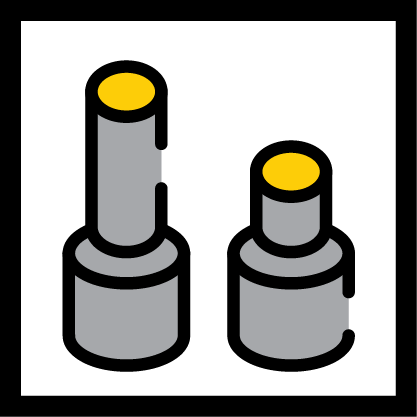
Abrasion
Is the nozzle tip significantly worn down? Over time, constant abrasion from contact with rocks and hard soils can wear away the nozzle tip, rendering the supersonic nozzle useless.

Stay Informed:
-

Refer to the AirSpade Operating Manual for more information on how to maintain and operate your tool.
